How to Choose a Bag That Goes With Everything
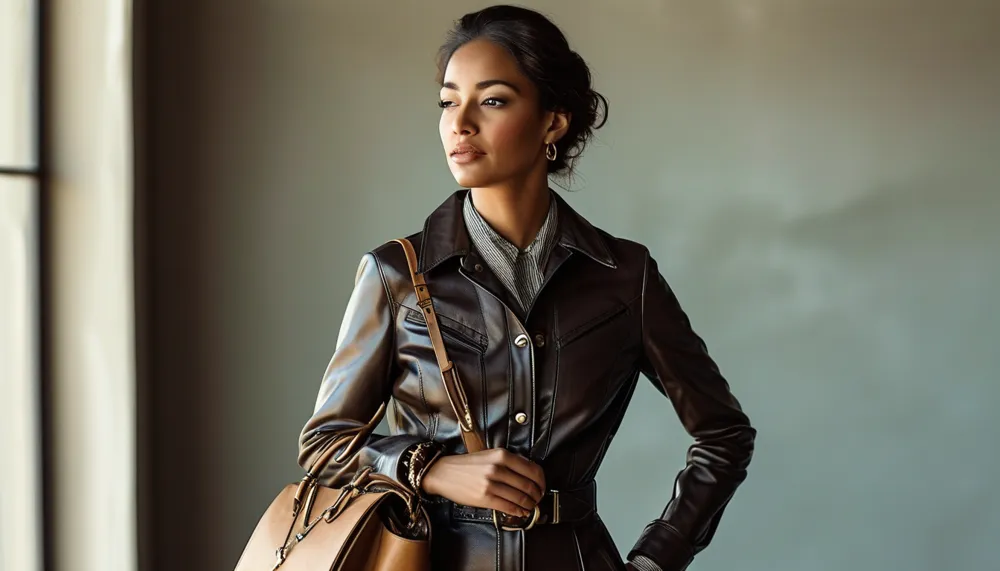
We’ve all been there: a beautiful bag that somehow matches nothing you own, so it sits in the closet while the same reliable one gets grabbed every single day. Learning how to choose a bag that actually earns its keep isn’t about finding the trendiest shape or the flashiest hardware — it’s a handful of practical decisions that guarantee it works with your whole wardrobe. Here’s how to get it right the first time.

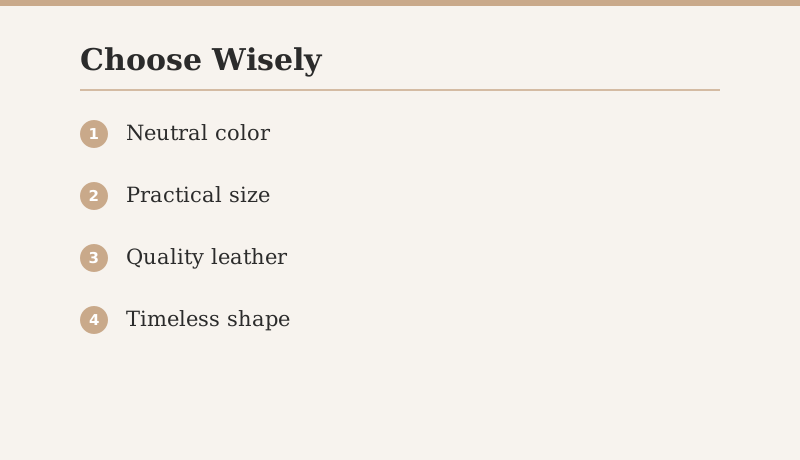
Quick Answer: The everyday bag that goes with everything comes down to four things: a neutral color (black, camel, cognac, or cream), a practical medium size that fits your daily essentials without bulk, quality materials that hold up over years, and a timeless shape rather than a trend-of-the-moment silhouette. Get those four right and almost any outfit will work with it.
What color bag actually goes with everything?
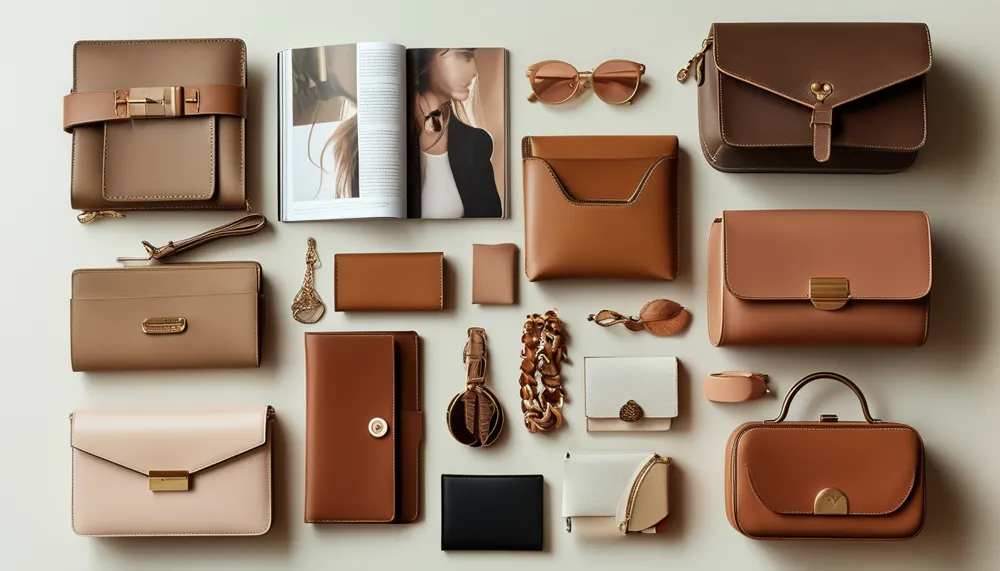
Color is where most bag regrets start, so it’s worth getting right first. A neutral bag is genuinely the most-worn bag in anyone’s closet — black, camel, cognac, and cream all pair with virtually everything and rarely feel out of place, whether you’re dressed up or down. If you want a little more personality without sacrificing versatility, a rich, deep tone like burgundy or forest green still behaves like a neutral in practice, just with more character.

What size bag is actually practical for everyday use?
Size is where honesty about your own habits matters more than what looks good on a shelf. A bag that’s too small becomes a daily frustration, while one that’s too big turns into a black hole you dig through for five minutes at checkout. A medium structured shape that comfortably holds your phone, wallet, keys, and a few extras is the everyday sweet spot for most people — big enough to be useful, small enough to stay organized.

Does the material actually make a difference in the long run?
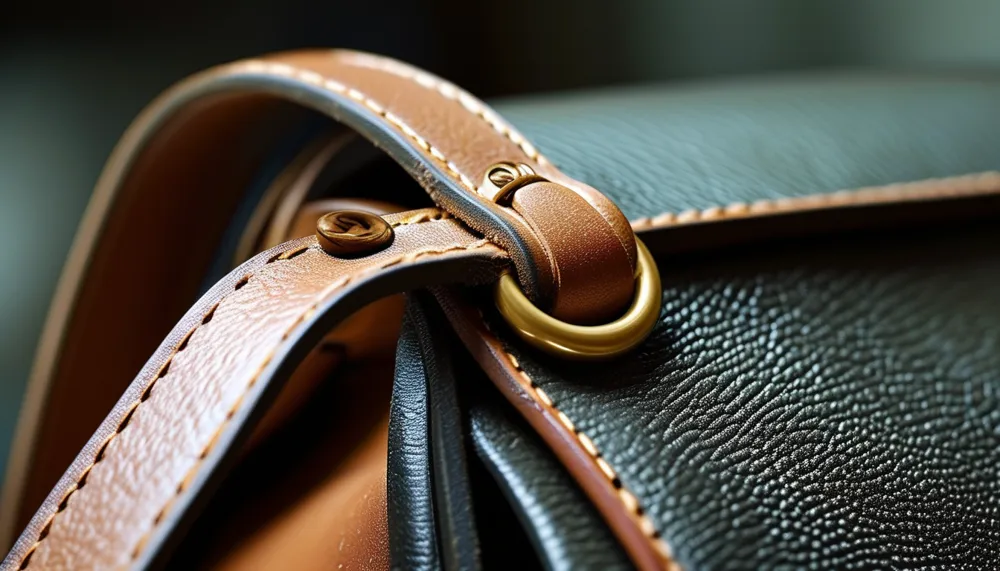
Absolutely, and it’s the difference between a bag that ages well and one that looks tired within a year. A well-made leather bag in a classic shape genuinely improves with age and outlasts a dozen trend-driven pickups. Before buying, check the stitching for even, tight seams, test the hardware for solid weight rather than flimsy plating, and look at the lining for quality construction — these details are what separate a lifelong bag from a one-season buy that falls apart by spring. A quick trick: gently tug the strap attachment points and zipper pulls in the store; if anything feels loose or wobbly before you’ve even used it once, it’s a preview of how it’ll hold up after a year of daily wear.
Should I choose a trendy shape or a classic one for my everyday bag?
For your one reliable everyday bag, classic wins nearly every time. Skip the of-the-moment silhouette and choose a clean, timeless shape that won’t look dated a year from now. Save the experimental or trend-forward shapes for a second or third bag once your dependable everyday piece is already sorted — that way you get to have fun with trends without gambling on the bag you’ll actually reach for most mornings.
5 Mistakes Everyone Makes When Choosing a Bag
- Buying for the outfit photo, not the actual week ahead — a bag needs to work on a Tuesday commute, not just for one event.
- Choosing a trend color over a neutral and wondering why it clashes with half the closet.
- Underestimating how much you actually carry, then living with a bag that never quite zips shut.
- Skipping the hardware check and ending up with a clasp that sticks within a few months.
- Treating your “statement” bag and your “everyday” bag as the same purchase when they serve completely different jobs.
What’s the single most versatile bag color to own?
Black remains the single most versatile choice for most wardrobes, since it pairs with virtually any color and any level of dressiness. Camel and cognac are close seconds, especially if your wardrobe leans warm-toned, since they add a bit of richness while still functioning as a neutral.
How many bags do I actually need in rotation?
Most people are well covered with 3-4 bags total: one everyday neutral workhorse, one slightly dressier option, one casual or weekend bag, and one statement or trend piece for fun. You don’t need more than that to feel like you have “options” for every occasion.
Is it worth spending more on one quality bag instead of buying several cheaper ones?
Often, yes, if the bag is going into daily rotation. A well-made bag in quality materials tends to outlast several cheaper trend purchases combined, both in how it looks over time and in how long the hardware and stitching actually hold up under daily use.
TL;DR:
- Choose a neutral color — black, camel, cognac, or cream — for maximum everyday versatility.
- Pick a practical medium size that fits your actual daily essentials, not more and not less.
- Prioritize quality materials: check stitching, hardware weight, and lining before buying.
- Choose a timeless shape for your everyday bag and save trend silhouettes for a second piece.
- Nail those four factors and you’ll have a bag that genuinely goes with everything for years.
Keep Reading
This article is for general styling and informational purposes only. Trends, sizing, availability and pricing may vary by brand and season.